
Custom Low-Frequency Transformers
KATOY designs and manufactures custom low-frequency transformers for industrial electronics, control equipment, power supplies, professional audio and other OEM equipment. Electrical, insulation, winding, lead, mounting and mechanical configurations can be developed around customer specifications, drawings, reference samples and application requirements.
Electrical and Mechanical Design for the Actual Equipment
Low-frequency transformer design depends on more than input voltage, output voltage and rated power. Core size and material, winding arrangement, temperature rise, insulation system, regulation, mounting structure, lead configuration and available installation space all affect the final transformer construction.
KATOY develops custom EI-core transformers and other low-frequency transformer structures for equipment-specific requirements. For mains-frequency applications, transformer design is commonly evaluated around the actual operating system together with the required electrical, thermal, insulation and mechanical conditions.
For a replacement design, drawings or reference samples help establish the winding connections, terminal arrangement and available mounting space alongside the electrical requirements.
- Voltage and winding configuration: developed according to input, output and multi-winding requirements.
- Core and magnetic design: selected according to power, frequency, losses and dimensional constraints.
- Insulation system: evaluated according to operating voltage, isolation and application requirements.
- Thermal considerations: evaluated together with winding losses, core losses, loading and installation conditions.
- Mechanical construction: customized for PCB mounting, brackets, wire leads, connectors and other installation arrangements.
Low-Frequency Transformer Constructions
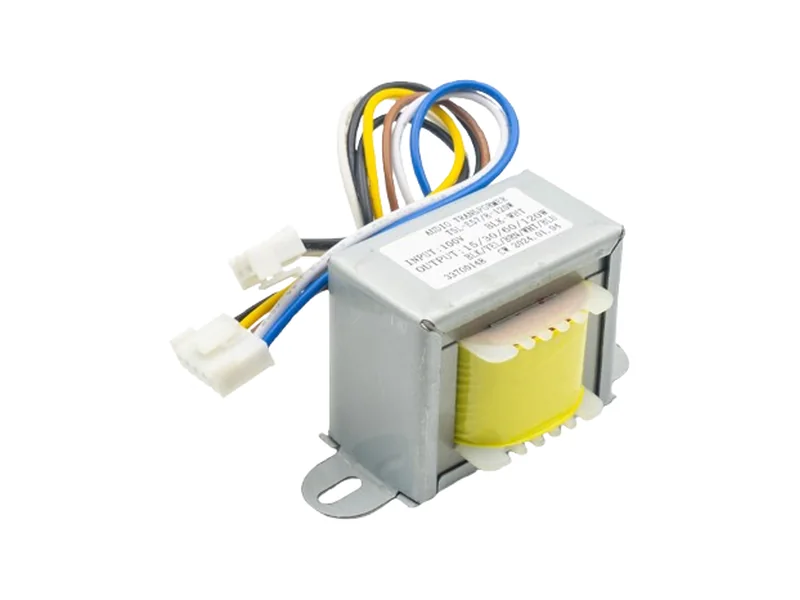
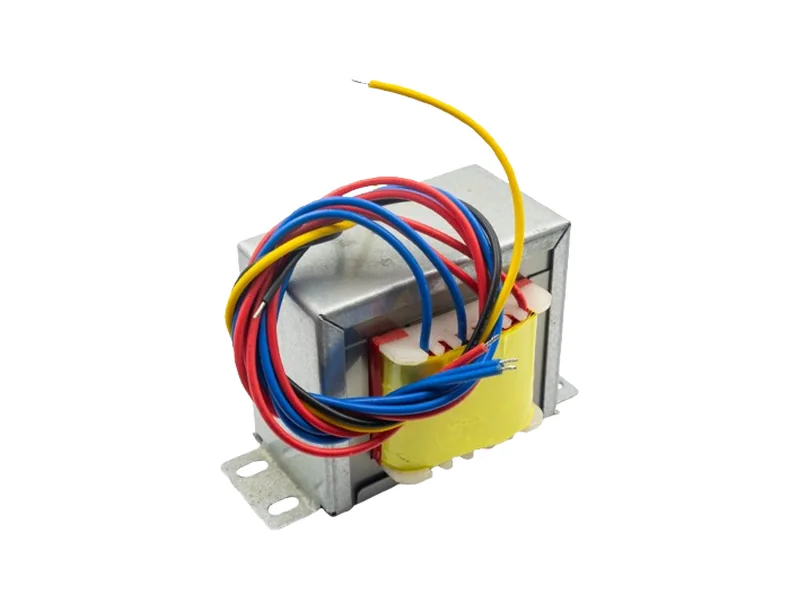
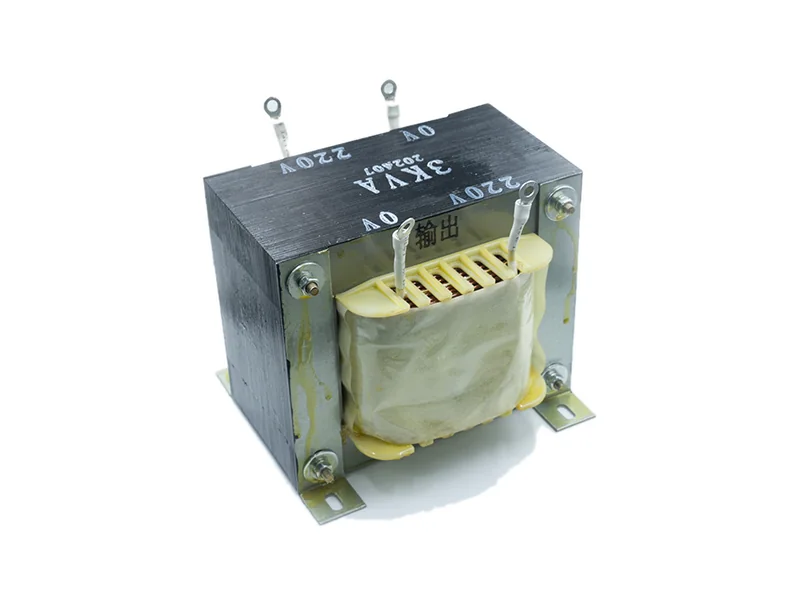
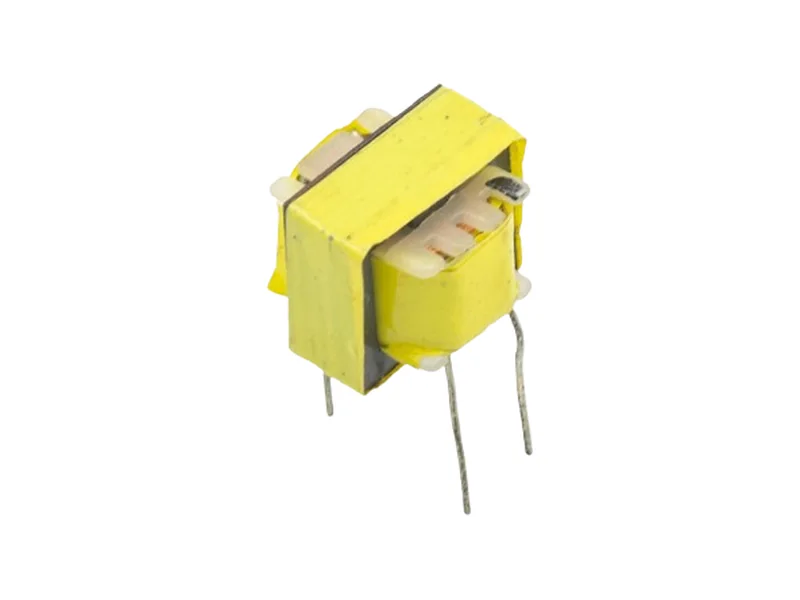
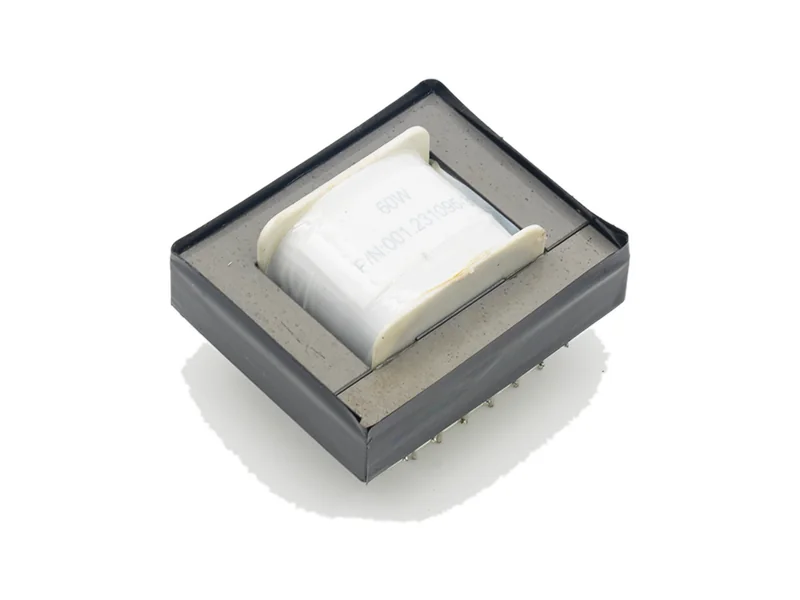
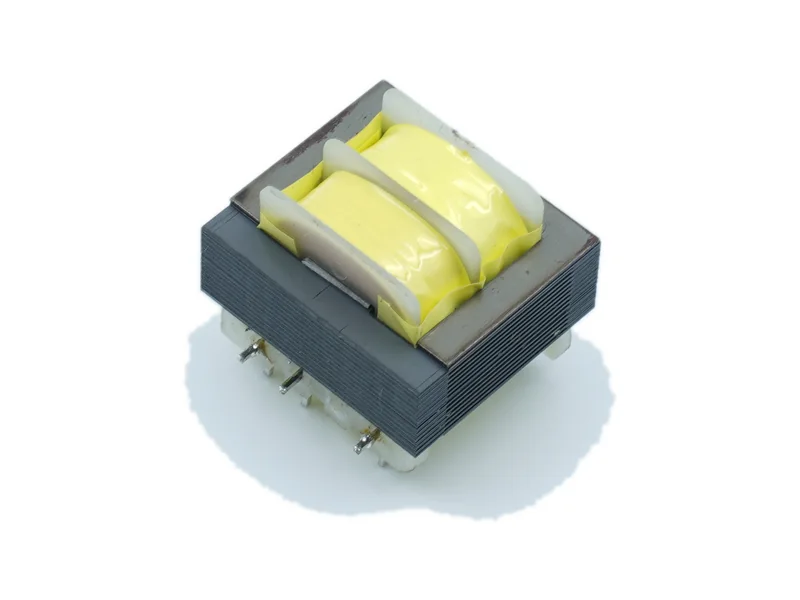
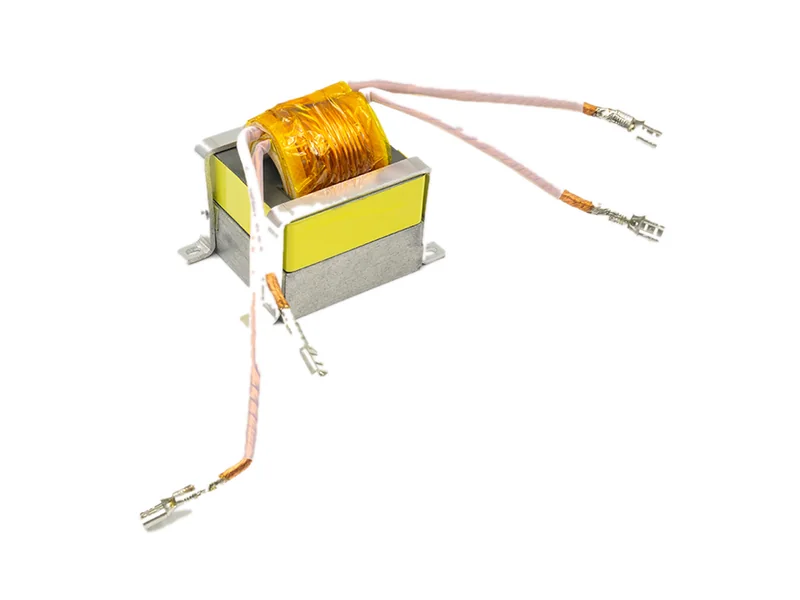
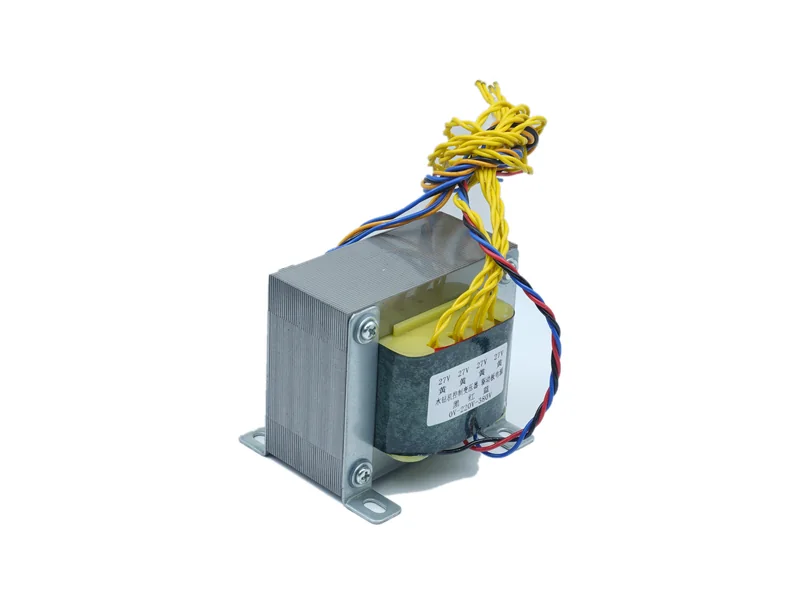
KATOY manufactures custom low-frequency transformers in a wide range of EI-core, PCB-mount, open-frame, lead, mounting and mechanical configurations. The products below illustrate representative constructions rather than fixed catalog models.
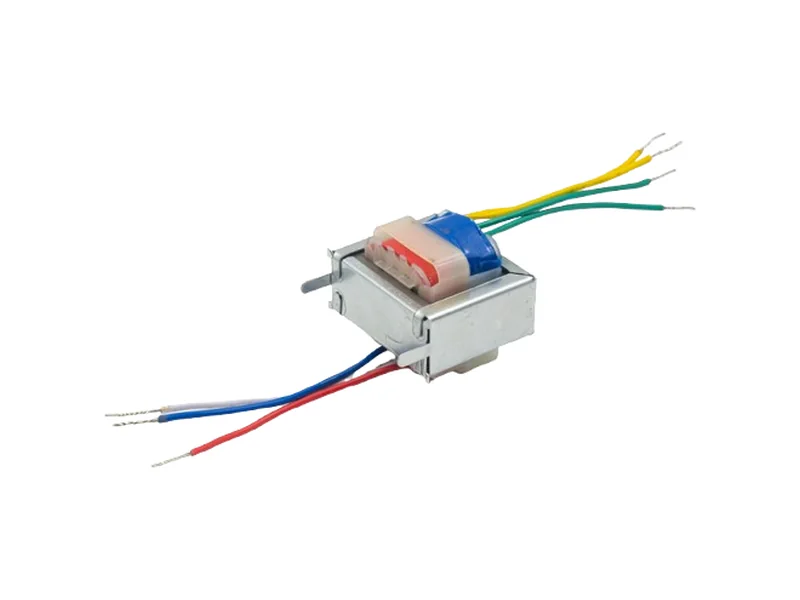
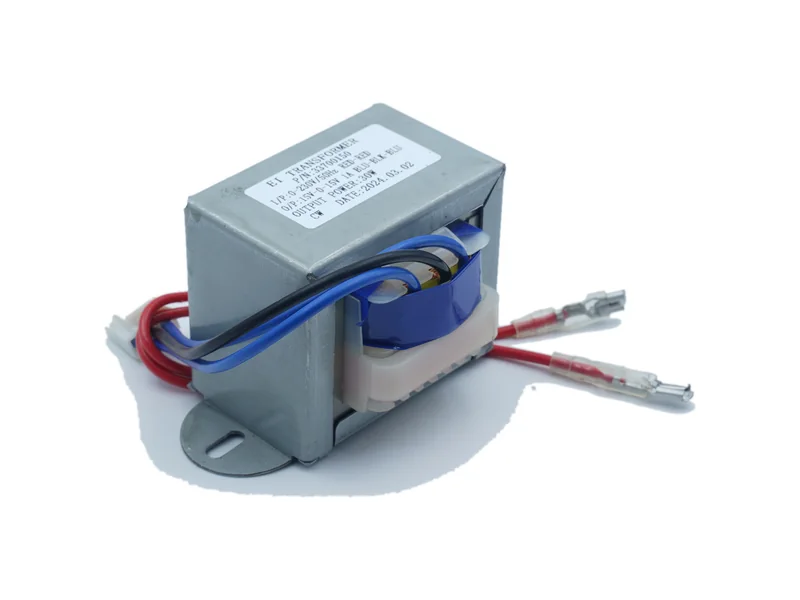
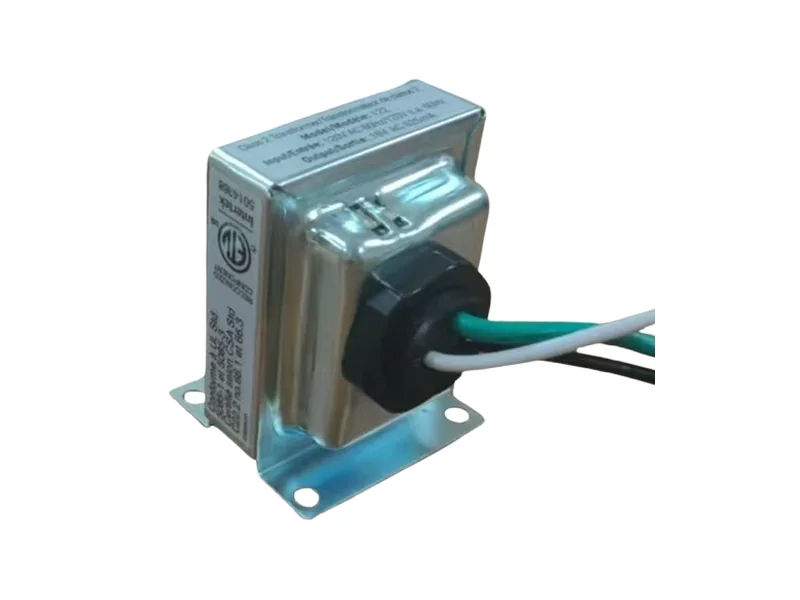
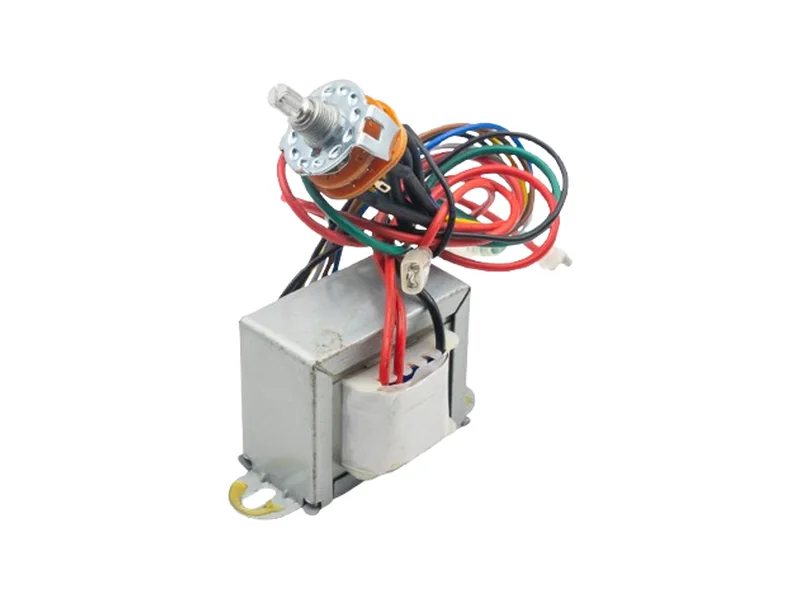
Low-Frequency Transformers for Different Installation Requirements
Mechanical construction is selected together with the electrical design. The appropriate transformer structure depends on PCB layout, equipment space, mounting method, terminal arrangement, service conditions and manufacturing requirements.
EI laminations are widely used for custom low-frequency power transformers. Core size, winding arrangement and mechanical construction are selected according to electrical and thermal requirements.
PCB-mount transformers can be developed where board-level installation, pin arrangement and dimensional constraints are important to the equipment design.
Open-frame construction provides flexible winding, lead and mounting configurations for industrial equipment and power-supply applications.
Brackets and metal-frame structures can be developed where the transformer is installed directly to a chassis, enclosure or equipment structure.
Multiple secondary windings, taps or customized winding arrangements can be developed where equipment requires several voltage outputs or circuit functions.
Wire leads, terminals, connectors and pin configurations can be developed according to assembly, installation and electrical connection requirements.
Information for Custom Low-Frequency Transformer Development
Complete technical information helps evaluate the magnetic, electrical, insulation, thermal and mechanical design before prototype development.
Custom Low-Frequency Transformers for Industrial Equipment
Low-frequency transformers can be developed for different industrial and electronic applications according to voltage, power, insulation, winding, mounting and equipment requirements.
Low-Frequency Transformers for Professional Audio Equipment
Professional audio is an important application area within KATOY’s low-frequency transformer manufacturing capability. Transformer requirements for audio equipment may involve application-specific voltage, winding, temperature, mechanical and noise-related considerations.
The transformer should therefore be evaluated as part of the complete equipment design. KATOY can develop custom low-frequency transformer constructions according to the customer’s circuit, installation and performance requirements.
Low-Frequency Transformer Production at KATOY
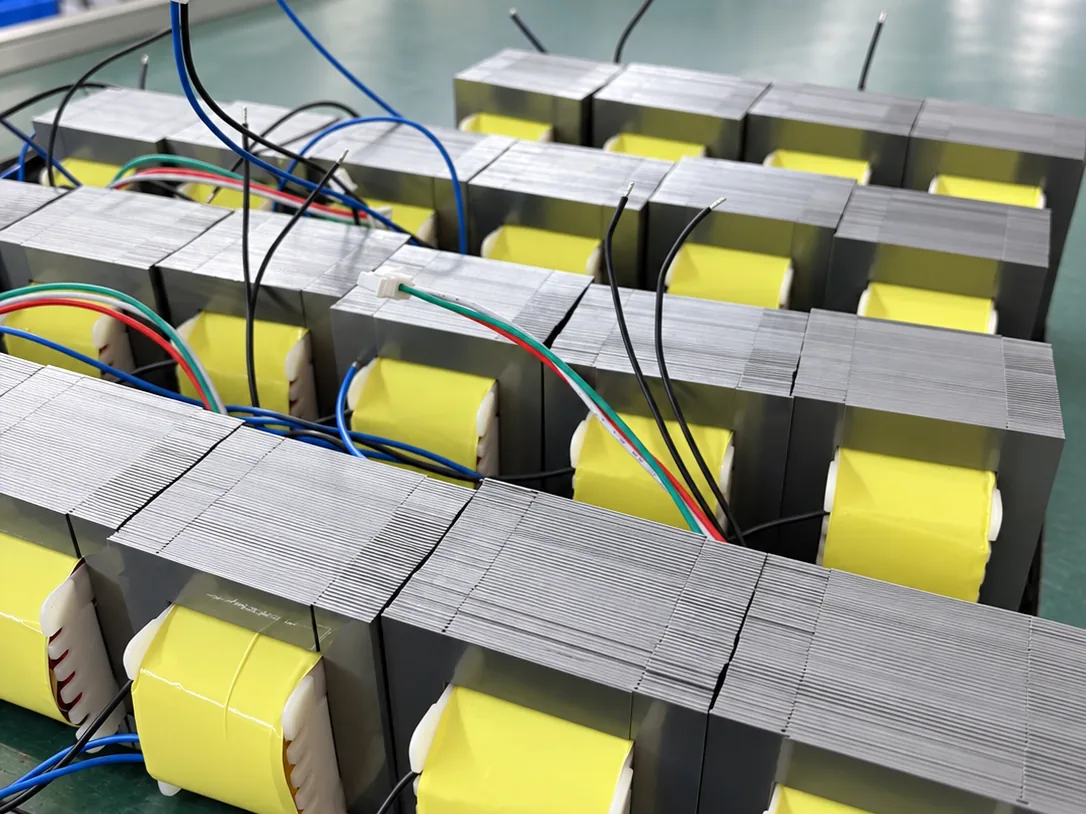
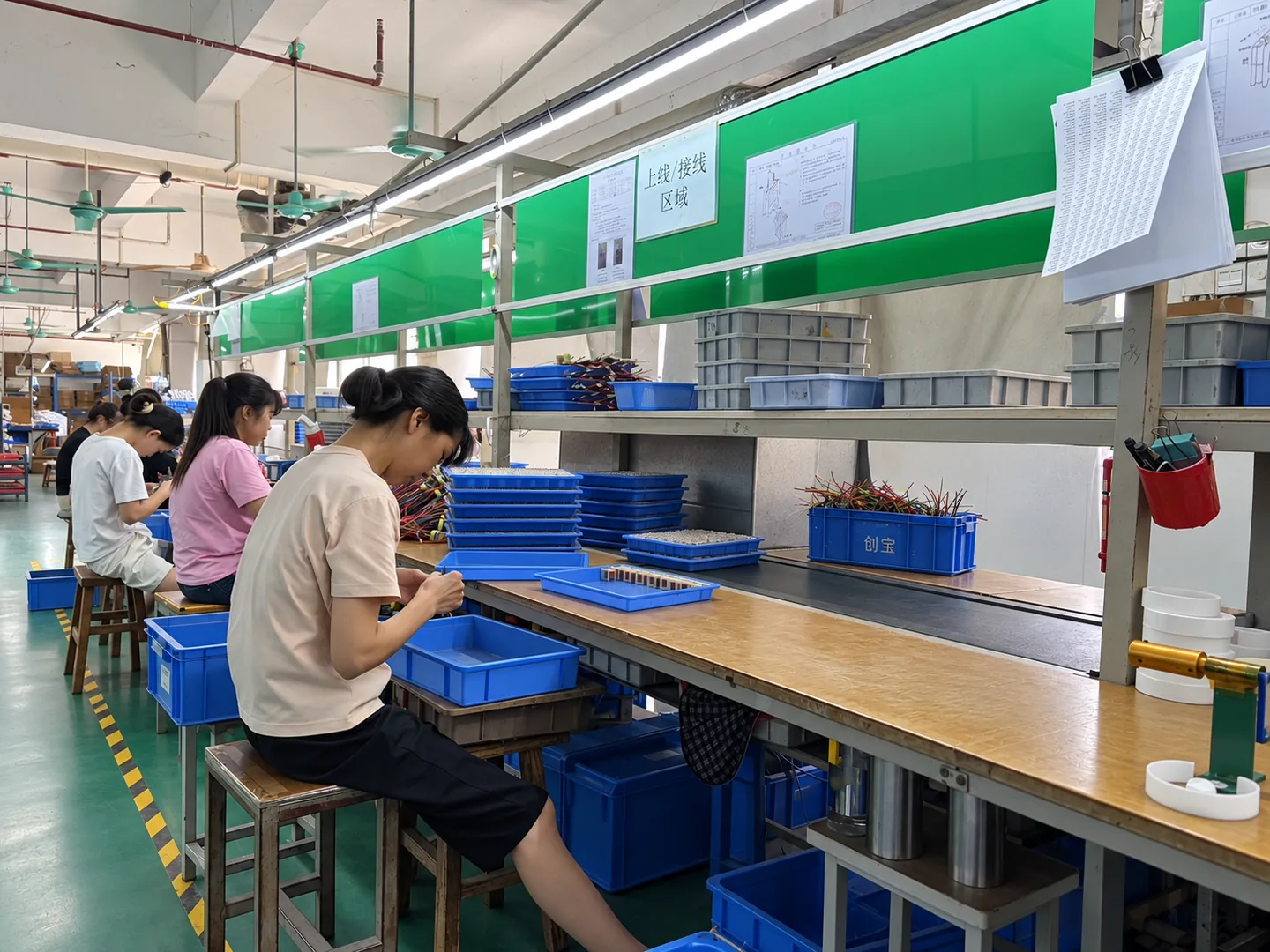
KATOY manufactures equipment-specific low-frequency transformers, including the EI-core constructions shown on this page. Drawings and electrical requirements determine the winding arrangement, insulation, leads or terminals and mounting format for each approved project.
The first photograph shows EI laminated-core transformers in production; the second shows KATOY’s production area in Guangzhou. These are manufacturing examples, not models with a single fixed electrical rating or mounting configuration.
See more about KATOY’s manufacturing capabilities in China.
Verification According to Transformer Requirements
Low-frequency transformer verification is based on the electrical, insulation and mechanical requirements of the product. KATOY performs inspection according to defined product specifications and production quality procedures.
The required test items and acceptance criteria depend on the transformer design and customer specification rather than one universal test profile for every transformer.
- Electrical parameters and winding resistance, where specified
- Winding configuration, polarity and connection verification as required
- Insulation resistance and dielectric-withstand checks when specified
- Visual and dimensional inspection
- Production inspection and process control
Low-Frequency Transformer Questions
Two practical questions about operating frequency and winding configuration.
Can KATOY manufacture 50 Hz and 60 Hz transformers?
Low-frequency transformer designs can be developed for mains-frequency applications such as 50 Hz and 60 Hz. Magnetic, winding, thermal and mechanical requirements are evaluated according to the actual operating conditions of the equipment.
Can a low-frequency transformer have multiple secondary windings?
Yes. Custom transformers can be developed with multiple secondary windings, taps or other winding arrangements where required by the circuit. The complete electrical requirements should be reviewed before the winding configuration is defined.
Explore Related Transformer Families & Technical Resources
Explore related transformer families and technical resources for custom industrial power, control and OEM equipment applications.
Need a Custom Low-Frequency Transformer?
Send your electrical specifications, winding requirements, drawings, dimensions, application information or reference samples for technical evaluation and quotation.