
Custom Single-Phase & Three-Phase Transformers
KATOY designs and manufactures custom three-phase transformers and single-phase transformers for industrial equipment, machinery, automation, power-conversion systems and specialized OEM applications. Designs can be developed according to required input and output voltage, VA or kVA rating, winding configuration, insulation, terminals, dimensions and mounting requirements.
Electrical Design Based on the Complete Equipment Requirement
Single-phase and three-phase transformer design depends on more than nominal voltage and rated power. Supply configuration, load conditions, winding arrangement, turns ratio, insulation system, temperature rise, voltage regulation, terminal structure and available installation space can all influence the final transformer.
For a custom three-phase transformer, the required primary and secondary voltages, VA or kVA rating and winding connections should be defined as part of the electrical specification. Where applicable, three-phase winding connections such as star (Y) or delta (Δ) should be specified according to the equipment and power-system requirements.
For a custom single-phase transformer, the design may include one or more secondary windings, voltage taps, custom terminals or wire leads and equipment-specific mounting structures. Electrical and mechanical requirements should be reviewed together before the final design is established.
- Primary and secondary voltage: specified according to the supply system and required equipment voltage.
- Rated power: defined in VA or kVA together with the relevant load and duty conditions.
- Operating frequency: specified according to the actual industrial power system and equipment requirements.
- Winding configuration: single or multiple secondary windings, taps and phase-specific winding connections can be defined by project.
- Thermal and electrical performance: temperature-rise, efficiency and voltage-regulation requirements should be evaluated according to the intended operating conditions.
- Insulation system: insulation and dielectric withstand requirements are defined according to the electrical specification and application.
- Mechanical integration: frame, mounting points, terminals, wire leads and dimensions are developed around the equipment layout.
Single-Phase vs. Three-Phase Transformers
Single-phase and three-phase transformers are designed around different AC supply systems, winding relationships and equipment requirements. The appropriate configuration depends on the actual electrical system rather than transformer size alone.
| Design Factor | Single-Phase Transformer | Three-Phase Transformer |
|---|---|---|
| AC Supply | Designed for a single-phase AC system. | Designed for a three-phase AC system. |
| Winding System | Uses a single-phase primary and secondary winding relationship. | Uses three-phase winding relationships defined by the required electrical system. |
| Connection | Uses the specified single-phase winding arrangement, including taps or multiple secondary windings where required. | May use star (Y), delta (Δ) or other specified three-phase winding connections. |
| Typical Use | Auxiliary power, control circuits, equipment power and other single-phase OEM requirements. | Industrial machinery and equipment requiring three-phase power transformation. |
| Design Basis | Voltage, VA or kVA rating, load, insulation, thermal and mounting requirements. | Voltage, VA or kVA rating, phase connection, load conditions, insulation, thermal and mounting requirements. |
Custom Three-Phase and Single-Phase Transformer Constructions
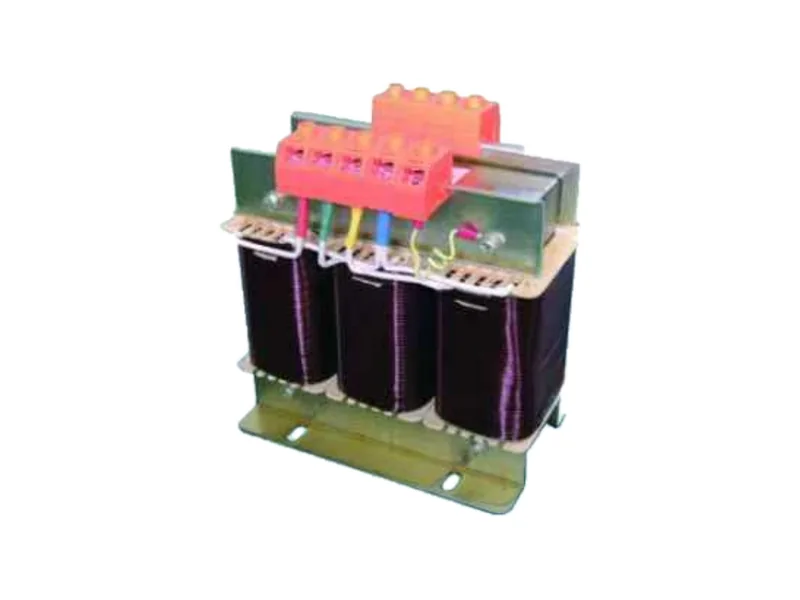
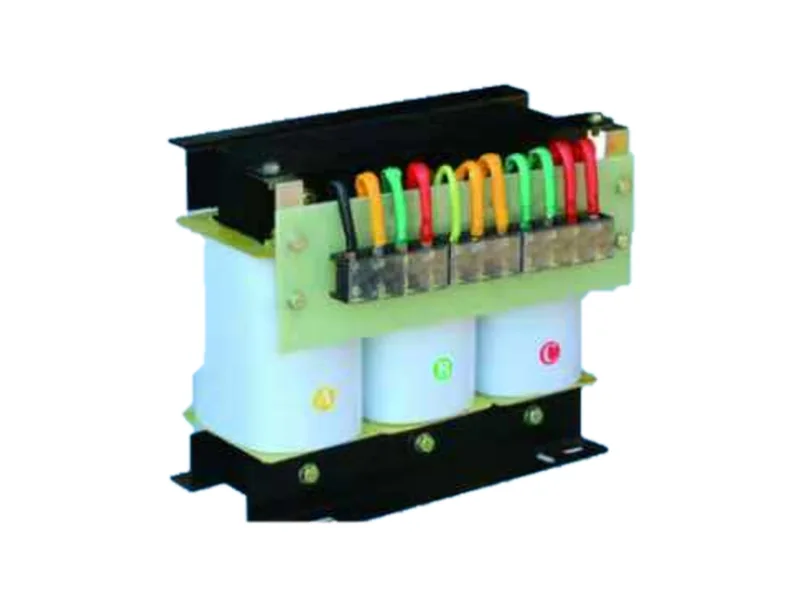
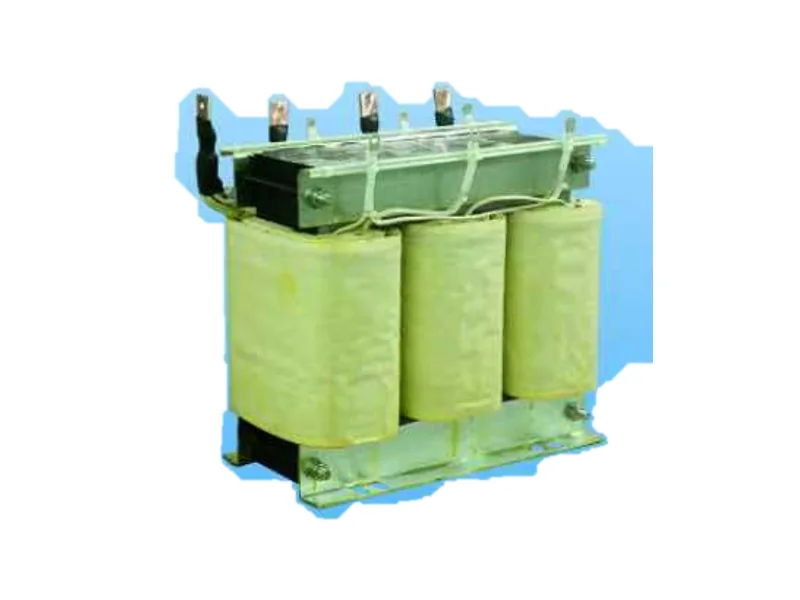
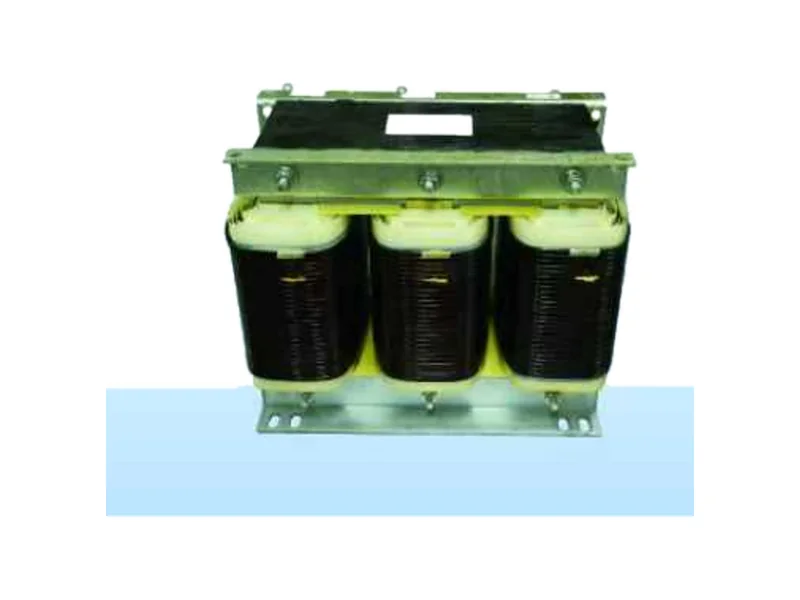
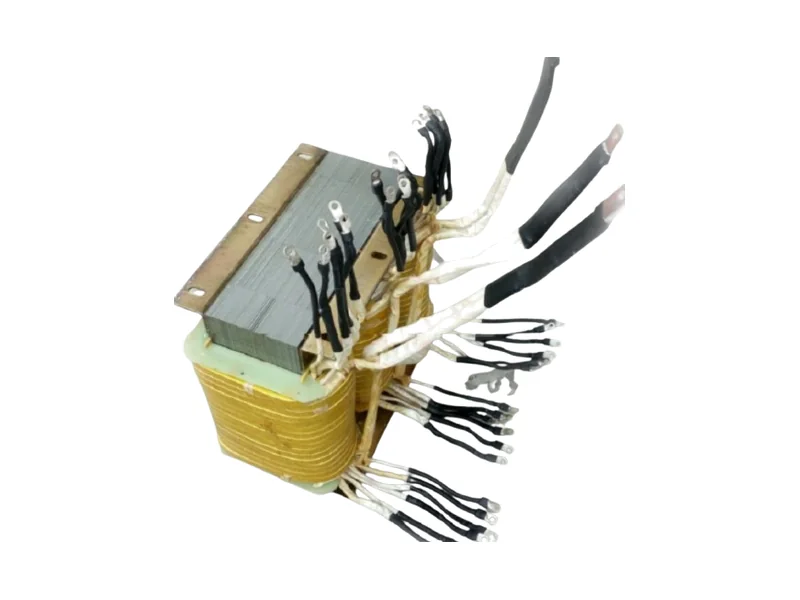
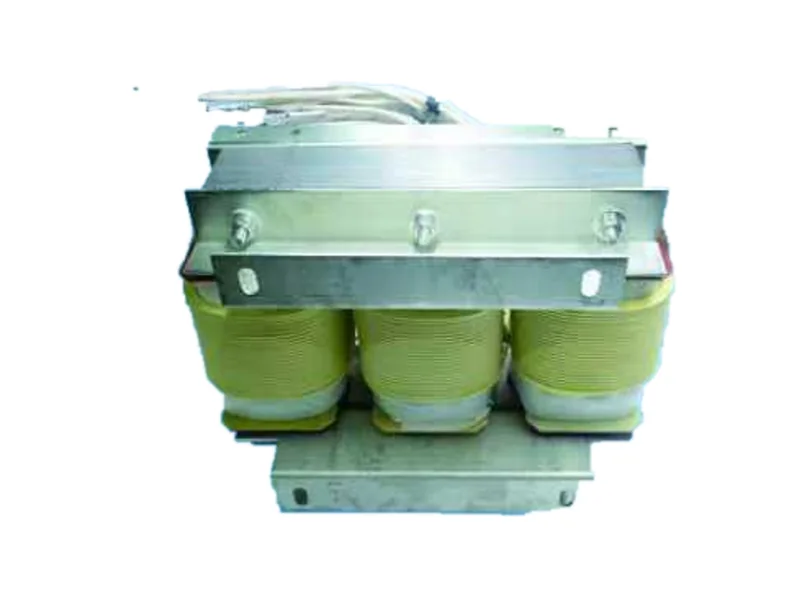
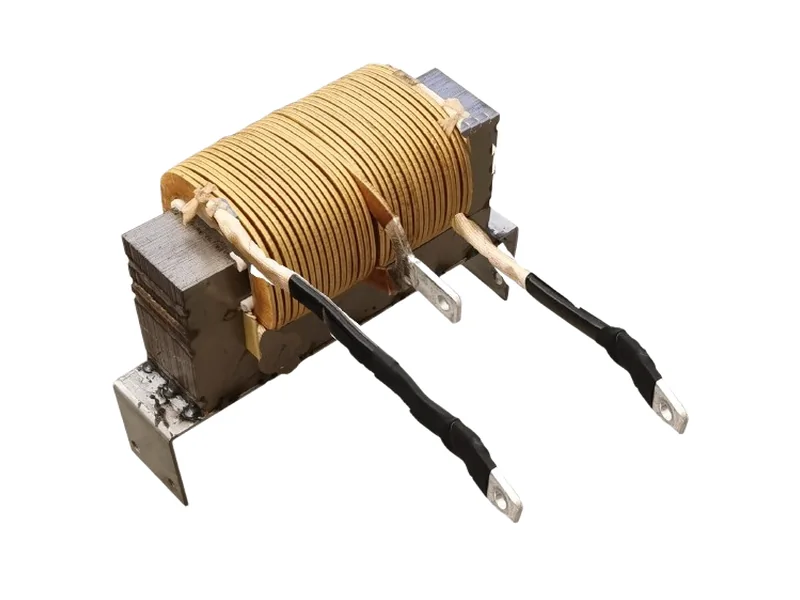
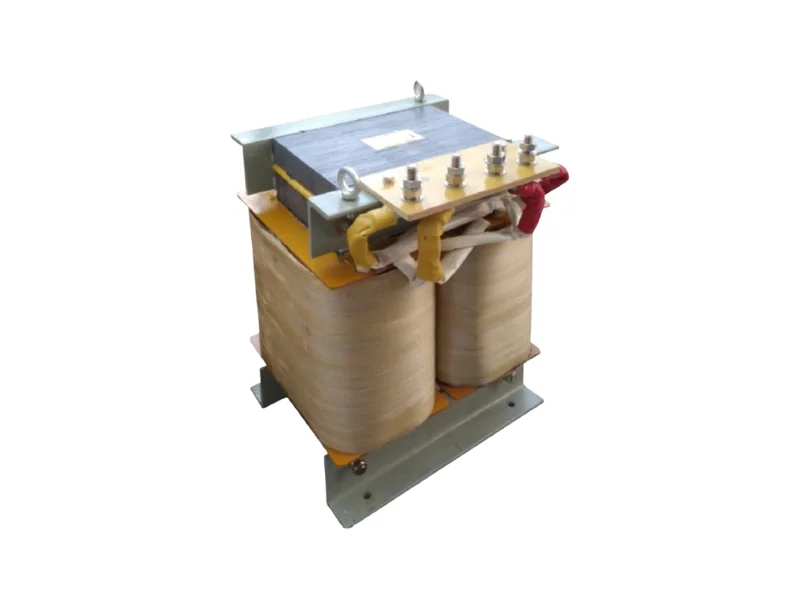
KATOY manufactures custom three-phase and single-phase transformers in different winding, terminal, lead, frame and mechanical configurations. The products shown below illustrate representative constructions rather than fixed catalog models.
Electrical and Mechanical Options for Industrial Transformer Projects
Custom transformer development requires coordination between the electrical circuit, magnetic design, insulation system and mechanical installation. The final structure depends on the equipment rather than on one universal transformer configuration.
Single-phase transformers can be developed according to specified primary and secondary voltage, VA or kVA rating, frequency, winding, insulation and mounting requirements.
Three-phase transformer design considers the complete three-phase electrical system, including voltage, power, winding connection, load and installation conditions.
Multiple secondary windings can be developed where industrial equipment requires several output voltages from one transformer assembly.
Primary or secondary voltage taps can be incorporated when different supply or output voltage selections are required.
Terminal blocks, external wiring and lead arrangements can be customized according to equipment assembly and electrical connection requirements.
Transformer frames, mounting holes, brackets and overall dimensions can be developed around chassis layout and available installation space.
Information Required for Custom Transformer Development
Supplying complete specifications helps evaluate turns ratio, winding arrangement, core design, conductor sizing, insulation, thermal performance and mechanical construction before prototype development.
Single-Phase & Three-Phase Transformers for Industrial OEM Equipment
KATOY develops custom single-phase and three-phase transformers for equipment manufacturers that require project-specific electrical, thermal, terminal and mechanical configurations.
From Transformer Specification Review to Recurring Production
As a custom transformer manufacturer, KATOY supports industrial OEM projects from electrical and mechanical requirement review through core and magnetic design, winding configuration, prototype manufacturing, sample validation and recurring production.
Transformer Verification According to Project Specifications
Single-phase and three-phase transformer inspection is performed according to the electrical, winding, insulation, dimensional and mechanical requirements defined for the individual product.
Test conditions and acceptance criteria depend on the transformer design and customer specification. Electrical measurements, winding connections, insulation-related tests and dimensional verification should therefore correspond to the approved product requirements.
- Primary and secondary electrical parameter verification
- Turns-ratio and winding connection verification where specified
- Winding resistance measurement where specified
- Insulation verification and withstand-voltage testing according to specification
- Terminal and external lead inspection
- Visual and dimensional inspection
- Production inspection and process control
Custom Single-Phase and Three-Phase Transformer Questions
Technical and sourcing questions commonly considered during custom industrial transformer development.
What information is needed to design a custom three-phase transformer?
The main requirements include primary and secondary voltages, rated VA or kVA, operating frequency, winding configuration, required three-phase connection such as star or delta where applicable, insulation requirements, load conditions, temperature requirements, dimensions, mounting method and terminal configuration.
What is the difference between a single-phase and a three-phase transformer?
A single-phase transformer is designed for a single-phase AC system, while a three-phase transformer is designed for a three-phase AC system and uses three-phase winding relationships. The electrical specification, magnetic construction and connection requirements therefore differ.
Can a three-phase transformer use star or delta winding connections?
Yes. Depending on the required electrical system, the primary and secondary windings may use specified three-phase connection arrangements such as star (Y) or delta (Δ). The required connection should be defined as part of the transformer specification.
Can a custom transformer have multiple secondary windings or voltage taps?
Yes. Multiple secondary windings and primary or secondary voltage taps can be incorporated when required by the circuit. The voltage, current and load requirements for each winding should be provided during design review.
Can KATOY manufacture transformers for different industrial AC systems?
Yes. KATOY can evaluate custom single-phase and three-phase transformer projects according to the specified supply frequency, voltage, winding configuration, load and electrical operating conditions.
Can KATOY manufacture transformers from customer drawings or samples?
Yes. Custom single-phase and three-phase transformer projects can be evaluated from electrical specifications, drawings, existing transformer information or reference samples. Additional system information may be required before prototype development.
Are all three-phase transformers isolation transformers?
No. An isolation transformer describes a particular electrical relationship and construction. A three-phase transformer should be classified according to its actual winding arrangement and electrical function rather than assuming every three-phase transformer provides the same type of isolation.
Can KATOY support prototype and recurring production?
Yes. KATOY supports custom transformer projects from technical requirement review and prototype development through sample validation and recurring manufacturing.
Explore Related Transformer Families & Technical Resources
Explore related transformer and magnetic-component pages for industrial OEM equipment, power conversion and custom electrical applications.
Need a Custom Three-Phase or Single-Phase Transformer?
Send your primary and secondary voltage, VA or kVA rating, frequency, phase and winding configuration, insulation, temperature, dimensions, terminals and mounting requirements for engineering evaluation and quotation.