
Custom Inductors & Chokes
KATOY designs and manufactures custom inductors, common-mode chokes and power inductors for power electronics, EMI filtering, industrial power supplies, automation equipment and specialized OEM applications. Product designs can be developed according to required inductance, current, operating frequency, magnetic core, winding, insulation, DCR, thermal, dimensional and mounting requirements.
Magnetic Design Based on Current, Frequency and Circuit Function
Power inductor design cannot be defined by inductance alone. In practical power-electronic circuits, rated current, peak current, operating frequency, DC resistance, core material, air gap, winding structure, core losses, copper losses and temperature rise can all affect the final component design.
The term choke generally refers to an inductor used to impede unwanted AC or high-frequency current while allowing the desired current component to pass. A common-mode choke is specifically designed to suppress common-mode noise, while power inductors and other choke structures are developed around their intended filtering, energy-storage or current-smoothing function.
KATOY develops custom inductors, power inductors and common-mode chokes from customer electrical specifications, drawings, existing component information or reference samples. Magnetic and mechanical requirements are evaluated together before the final structure is defined.
- Inductance: specified together with the relevant test frequency, current or operating condition where required.
- Rated and peak current: used to evaluate winding temperature, conductor sizing and magnetic operating point.
- Saturation behavior: core material, geometry and air gap determine how inductance behaves as current increases.
- DCR: DC resistance affects copper loss, voltage drop and thermal performance.
- Operating frequency: influences core loss, winding loss and selection of magnetic material and construction.
- Core and winding structure: selected according to energy storage, filtering, current, loss, dimensional and installation requirements.
Inductor and Choke Constructions
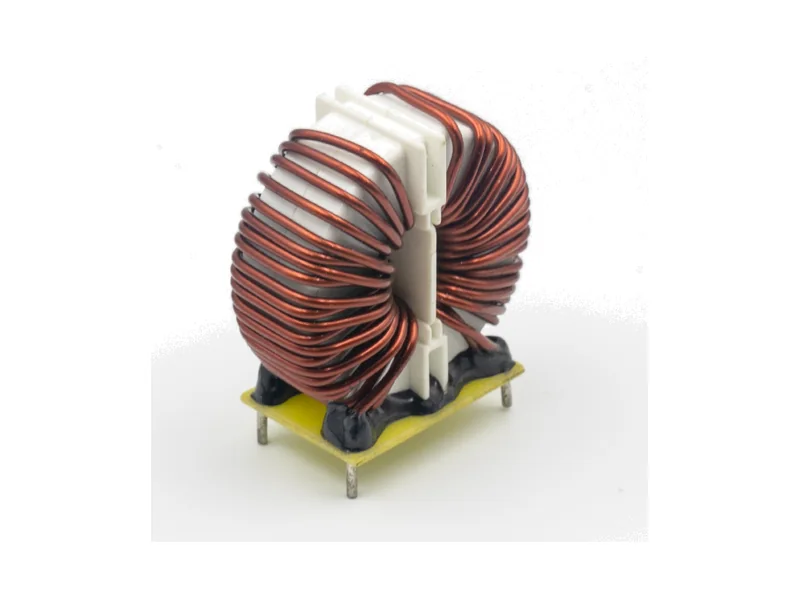
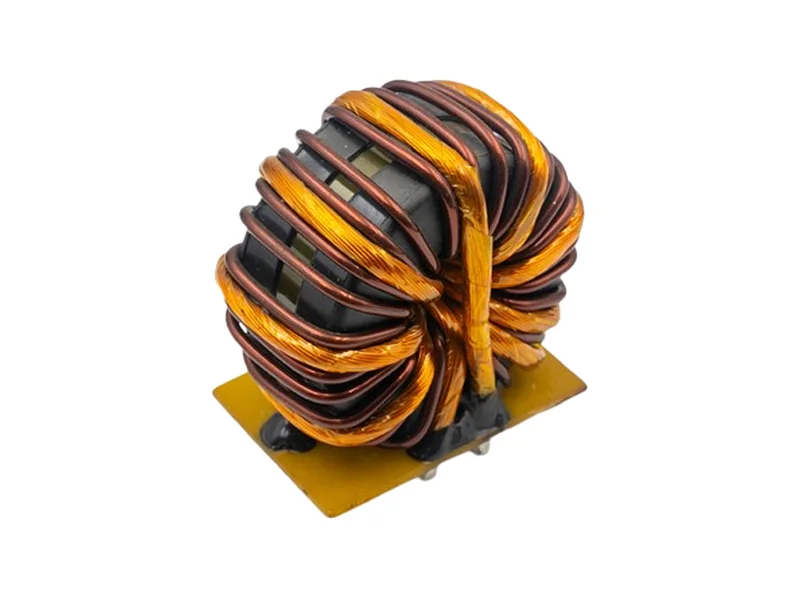
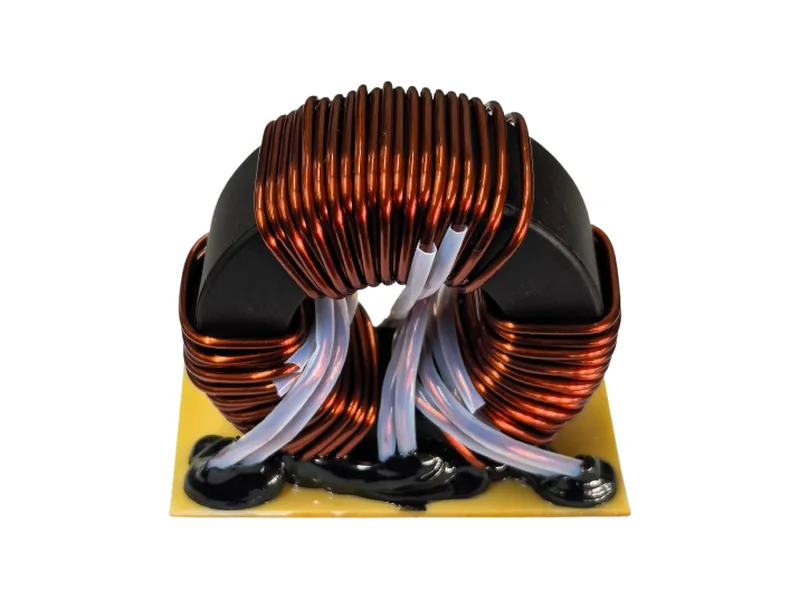
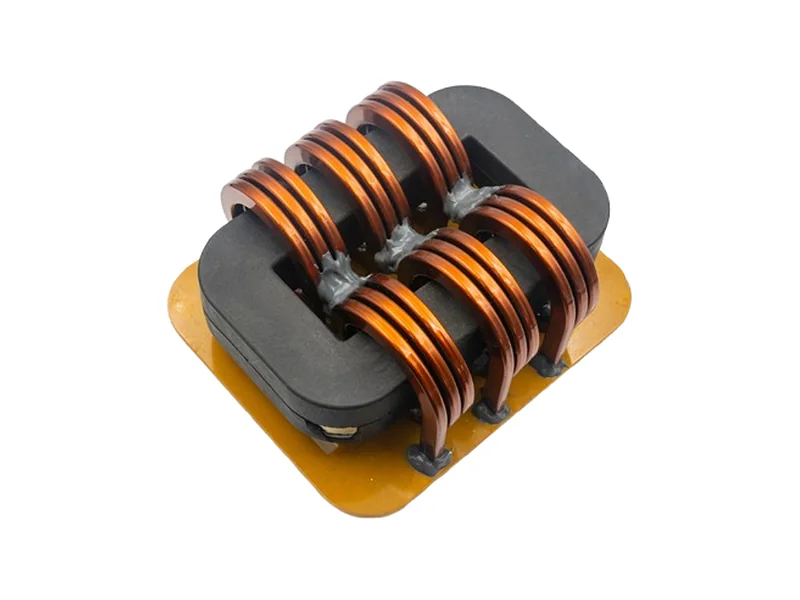
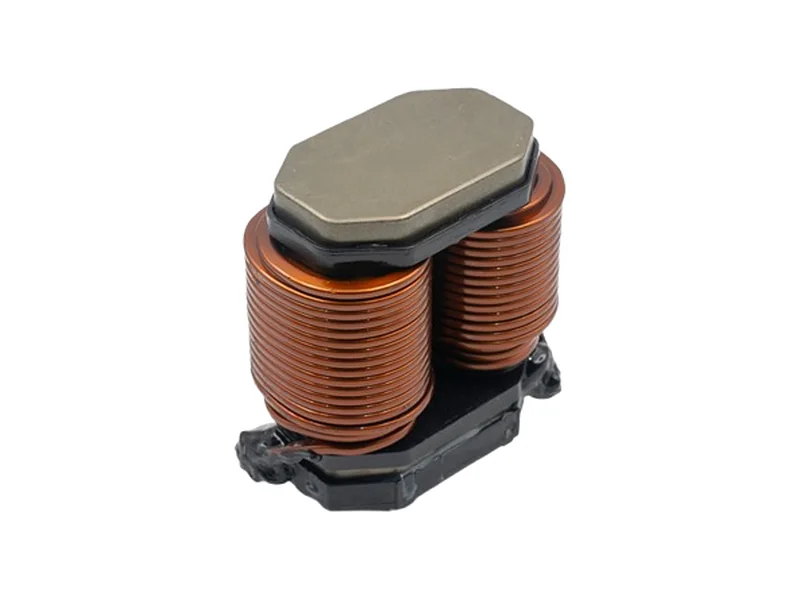
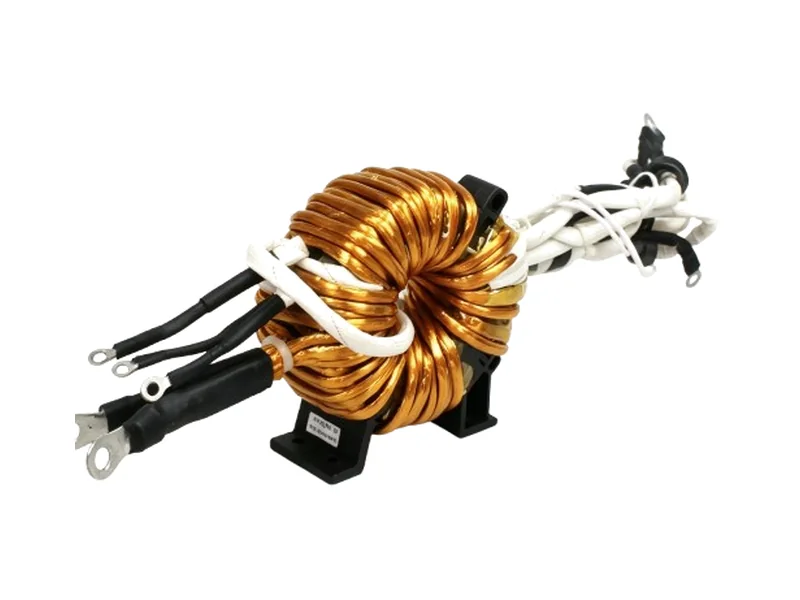
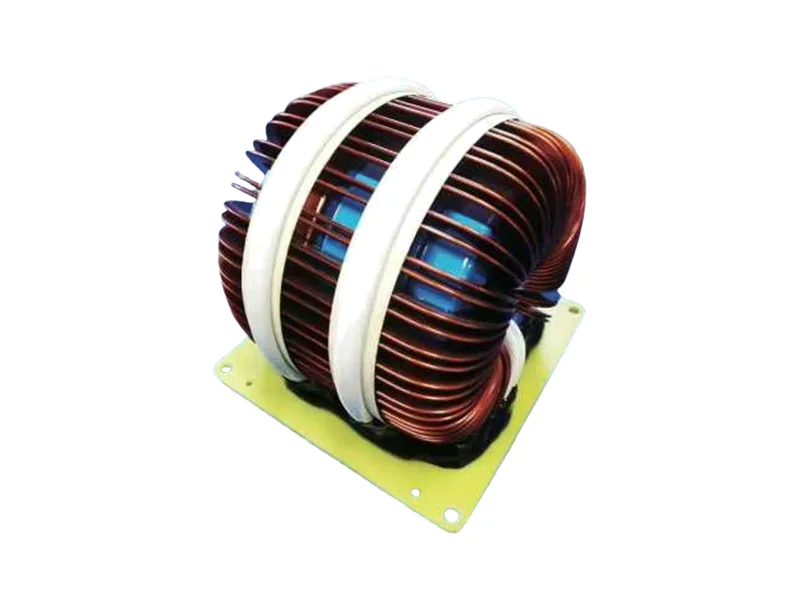
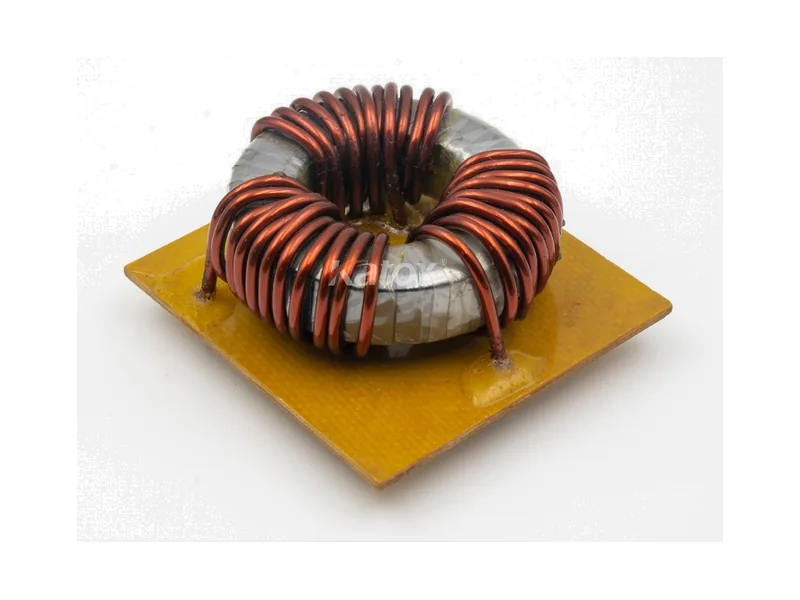
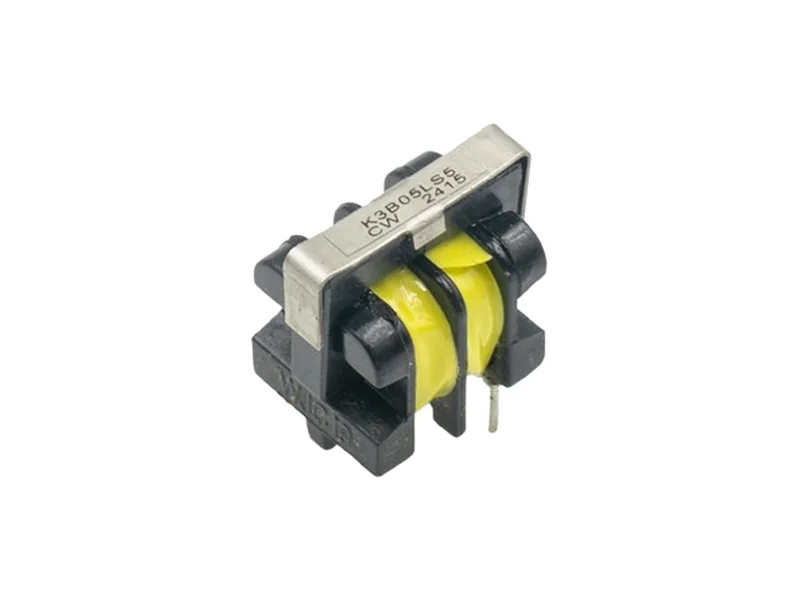
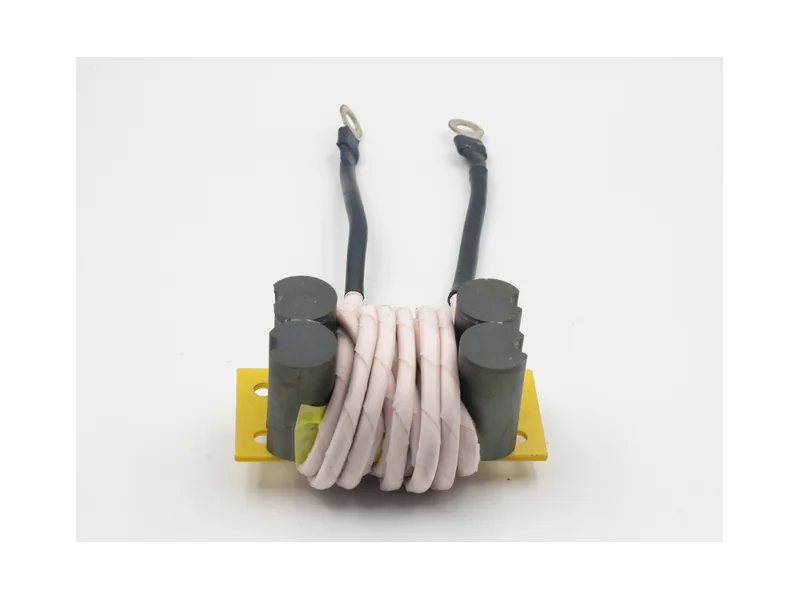
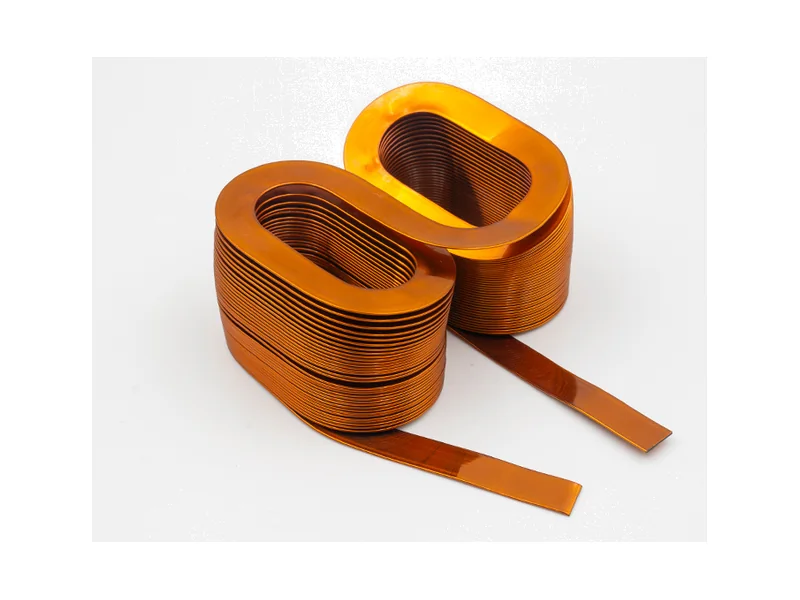
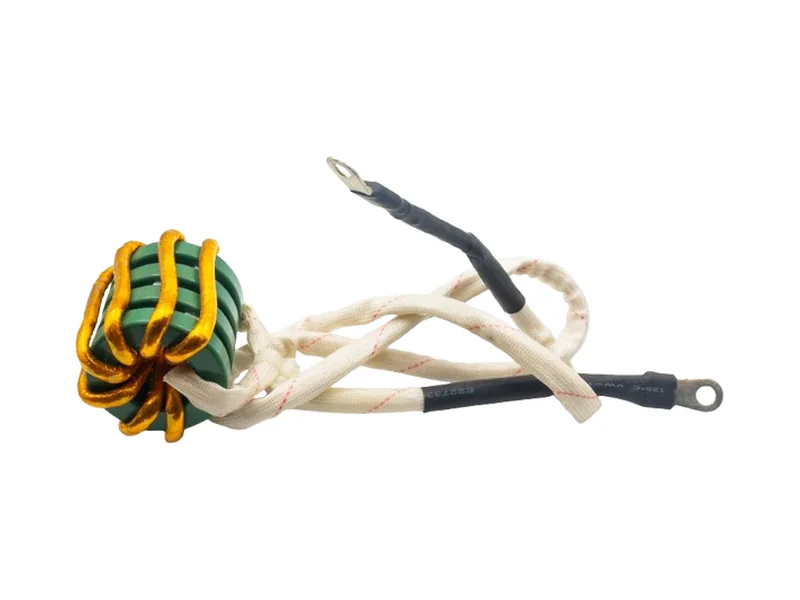
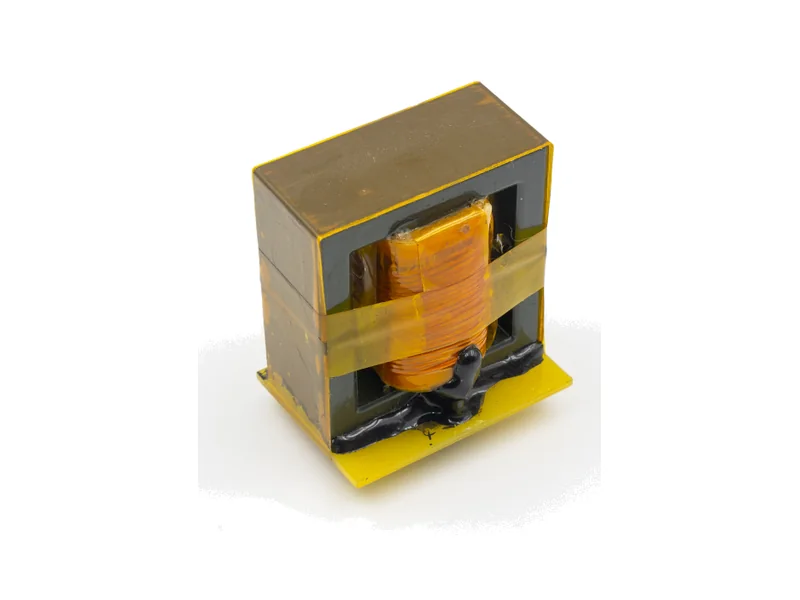
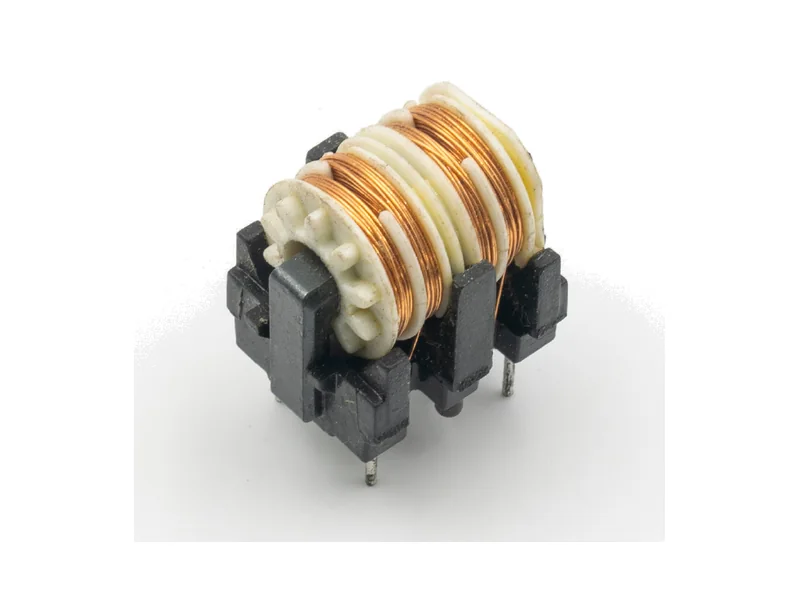
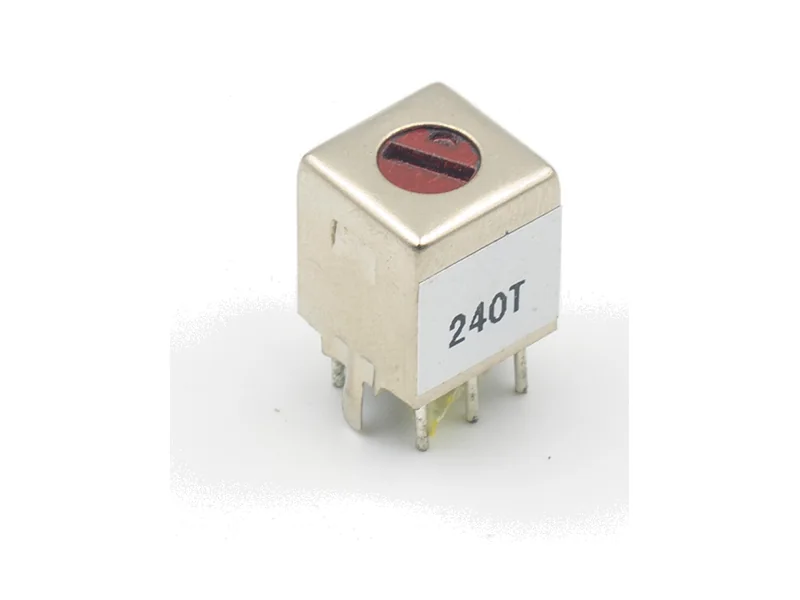
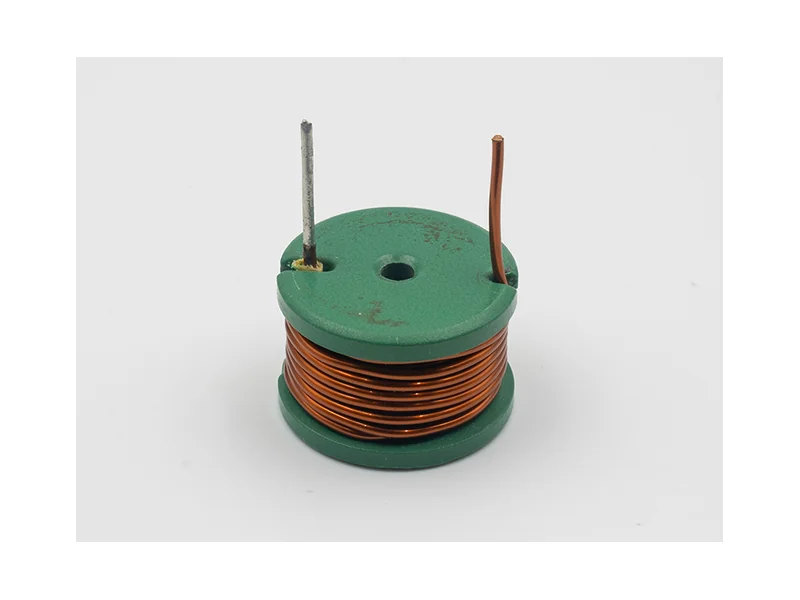
KATOY manufactures common-mode chokes, power inductors and other inductive components in a broad range of magnetic-core, winding, current and mounting configurations. The products shown below illustrate representative custom constructions rather than fixed catalog models.
Common-Mode Choke vs. Differential-Mode Inductor
These components are both used in filtering circuits, but they act on different current components and therefore use different magnetic and winding principles.
| Design Factor | Common-Mode Choke | Differential-Mode Inductor |
|---|---|---|
| Main Function | Attenuates noise currents flowing in the same direction on two or more conductors relative to the reference or ground. | Provides inductive impedance to differential current ripple or noise in the normal current path. |
| Winding Arrangement | Typically uses two or more coupled windings on a common magnetic core. | Commonly uses a single current-path winding or another circuit-specific inductive arrangement. |
| Magnetic Flux | Under ideal differential load current, opposing flux produced by paired windings largely cancels in the core. | Load current contributes directly to the magnetic operating point and must be considered in saturation design. |
| Key Design Parameters | Common-mode impedance, leakage inductance, current, winding balance, insulation and frequency range. | Inductance, rated and peak current, saturation, DCR, ripple current, losses and temperature rise. |
| Typical Engineering Use | Common-mode EMI suppression in power or signal lines. | Differential filtering, ripple reduction or energy storage depending on the circuit. |
How KATOY Evaluates a Custom Inductor or Choke Requirement
KATOY reviews the circuit function and operating waveform with the target inductance, its measurement condition, continuous and peak current, frequency, DCR and temperature limits. These inputs help determine the magnetic and winding construction.
Custom Inductors and Chokes for Power Electronics and Industrial Equipment
KATOY develops common-mode chokes, power inductors and other inductive magnetic components for OEM equipment where filtering, current smoothing, energy storage or EMI-control functions require project-specific magnetic design.
Inductor vs. Reactor: How the Terms Are Used
An inductor is generally defined by its inductive electrical function, such as energy storage, filtering or ripple reduction. The term reactor is commonly used for inductive components applied in power-electronic or power-frequency circuits, including line reactors, DC reactors and output reactors.
The terms are not always mutually exclusive. Product naming depends on circuit function, power level, construction and industry terminology, so the component should be evaluated according to its actual electrical and operating requirements.
Inductor and Choke Production at KATOY
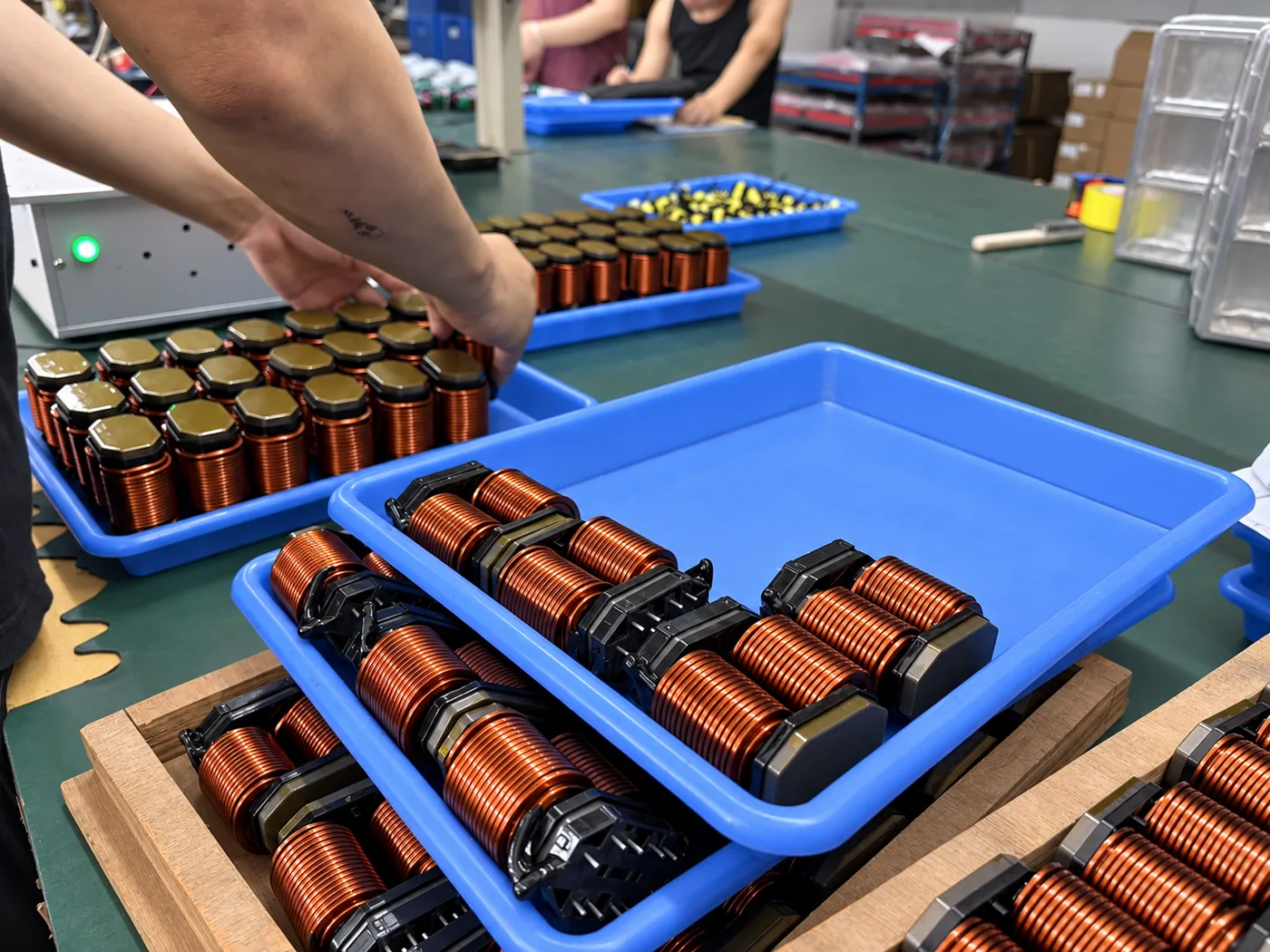
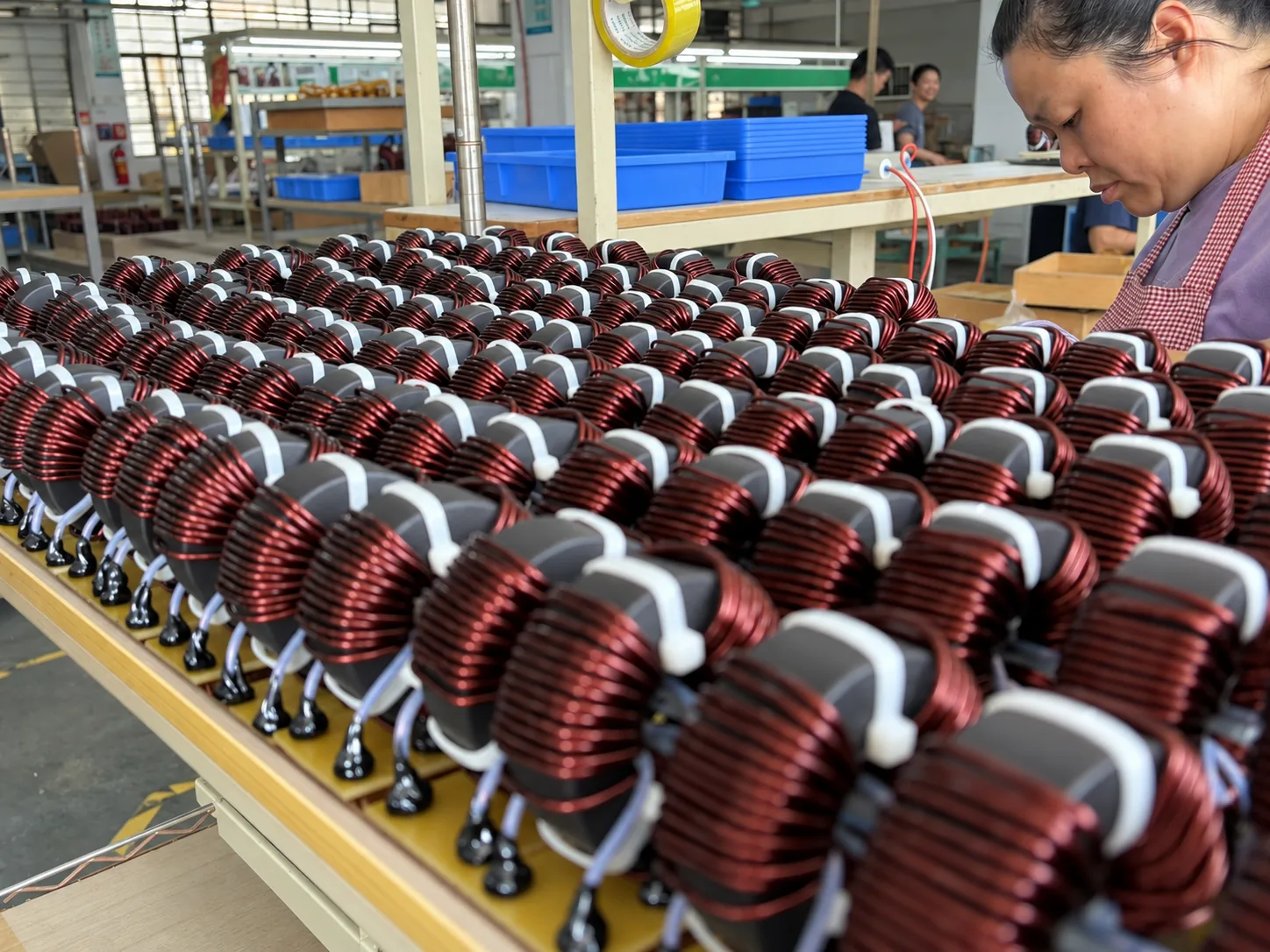
The product images above show different winding and core formats. The photographs below show actual KATOY inductors and chokes in production; they do not represent one fixed electrical rating or construction.
The left photograph shows a batch of custom inductors; the right shows inductors and chokes in production. Core, conductor, terminals and mounting format are selected for the approved circuit and mechanical requirements.
See more about KATOY’s manufacturing capabilities in China.
Verification According to Inductor and Choke Specifications
Inductor and choke testing should correspond to the electrical and magnetic parameters defined for the product. Measurement conditions are important because inductance and impedance can depend on frequency, current and test method.
KATOY applies product-specific inspection and manufacturing controls according to approved specifications rather than using one universal test condition for all magnetic components.
- Inductance and electrical parameter verification
- DCR measurement where specified
- Winding and connection inspection
- Insulation verification and withstand-voltage testing where specified
- Visual and dimensional inspection
- Production inspection and process control
Custom Inductor and Choke Questions
Questions on current ratings, core gaps and three-phase choke construction.
Why are rated current and saturation current different?
Rated current is generally associated with allowable thermal performance under continuous operation, while saturation current relates to the change in magnetic behavior and inductance as core flux density increases. The applicable definition and test condition should be stated in the product specification.
What is the purpose of an air gap in an inductor core?
A controlled air gap can reduce the effective permeability of the magnetic circuit and increase its ability to support DC magnetizing current without excessive inductance reduction. Gap size is therefore part of the magnetic design rather than a general feature required for every inductor.
Can KATOY manufacture common-mode chokes for three-phase systems?
Yes. KATOY manufactures multi-winding common-mode choke structures, including three-phase constructions, according to the required current, filtering, insulation and mechanical specifications.
Explore Related Magnetic Components & Technical Resources
Explore related product families and technical resources for custom power-electronic and industrial magnetic-component projects.
Need a Custom Inductor or Choke?
Send your inductance, current, operating frequency, DCR, saturation, waveform, temperature, dimensions, winding and mounting requirements for engineering evaluation and quotation.